Amazon Rainforest
The Amazon Rainforest is an incredibly diverse ecosystem that is home to new species of plants, animals, insects, and birds that are discovered every day, and yet there are probably hundreds, if not thousands of species yet to be discovered.
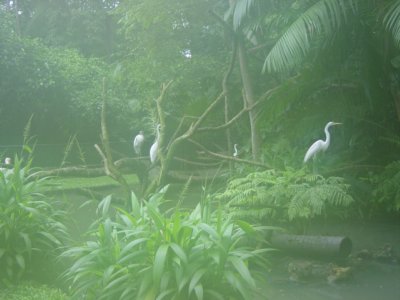
This fact alone draws hundreds of scientists each year to this area of the world to see what they might discover and be able to present to the world of science!
This impressive expanse of ecosystem includes savannas, rainforests, deciduous forests, seasonal forests, and flooded forests. No two ecosystems within the Amazonian rainforest are identical, making this massive area the most diverse and undiscovered in the world.
Amazon Rainforest Facts
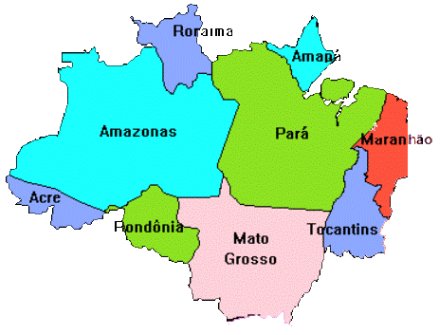
- In Brazil, the Amazon forest spans a whopping 1.7 billion acres or 7 million square kilometers or 4,349,598,345 miles over nine different countries
- 60% of Brazil is covered in rainforest, 13% of Peru has rainforest, and the other seven countries divide the remaining 27%
- Every 60 seconds, the Amazon river discharges just over 3 million gallons of water into the Atlantic Ocean
- Boasts the most diverse ecosystem in the world
- It is the most dense and largest rainforest in the world
- One in ten documented species of animal, insects, mammals, etc live in the rainforest of the Amazon
- 17 of the 200 tributaries of the Amazon river are over 1,000 miles long
- One square kilometer = over 1,000 plant and tree species
- 20% of the world's oxygen is produced by the rainforests' vegetation
- Referred to as Amazon Jungle or simply Amazon
Amazon Rainforest Animals
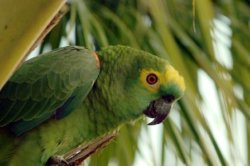 |
The rainforest is known as the lungs of the planet because it boasts nearly 1,000,000,000 different species of fish, insects, mammals, birds, spiders, animals, and amphibians. |
Quick facts about the animals of the Amazon:
- Freshwater fish species include piranha, pirarucu, tambaqui, electric eel and Piramutaba - total species totally around 3,000 known species
- Amphibians - poison frogs, tree frogs, turtles with over 500 known species
- Reptiles - 450 known species
- Bird species number just over 1,500 - ranks 3rd in the world
- Mammals - ranks 1st in the world for the most known mammal species, which numbers just over 500
- The species of wildlife in Brazil's rainforest accounts for roughly one-tenth of the world's wildlife species!
Endangered species of the Amazon include: some species of the poison dart frog, jaguar, three-toed sloth, hyacinth macaw, and the golden-lion tamarin.
Amazon Rainforest Climate
What is the climate like across this huge expanse of rainforest? It's a hot and humid 79 degrees pretty much throughout the year as an average, but temperatures during the day can reach up to 93 degrees Fahrenheit.
|
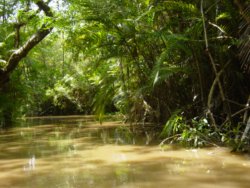
It may feel more humid prior to and following the heavy downpours for which the Amazon is known. The heavy rains are typical during all 12 months of the year. The Amazon has received up to 180 inches of rain in a single year! |
 |
How Does the Rainforest Benefit the Planet?
The vegetation in the rainforest produces nearly 20% of the oxygen needed around the world!
The tropical rainforest provides food for the world to eat. The foods we enjoy without giving it much thought include pineapples, coffee, ginger, oranges, bananas, chocolate, black pepper, grapefruit, lemons, nuts, spices, vanilla, mangoes, nuts, tomatoes, and coconuts, to name a few.
Powerful drugs that fight cancer are produced from plants found growing in the rainforest. Many other helpful medicines are produced from Amazon plants as well.
Sustainable resources such as wood, food items, and more are found in the rainforest.
People of the Amazon Rainforests
There are nearly 30 million people or 350 indigenous groups of people living within the rainforest of the Amazon. Modern day progress has forced many of these indigenous groups to adopt modern ways of living, including selling items to tourists and abandoning their beloved private way of life.
The shamans or medicine men of these ethnic groups have important knowledge of medicinal plants and foods found in the rainforest. Unless this knowledge is obtained and documented, generations of helpful medicinal information will be hopelessly lost.
Amazon Rainforest Plants and Flowers
The Amazon is home to hundreds, if not thousands, of plant and flower species. Many plants in this area of the world are used as medicine for everything from a headache to a skin rash and much more.
Some of the plant and flower species of the Amazon include:
- Trillium flower
- Bromeliad - very popular one is pineapple
- Water lily
- Cinchona tree
- Orchid
- Coca
- Castor beans
- Kapok tree
- Heliconia
- Opium poppy
- Foxglove
For more please visit our Tropical Rainforest Plants page.
Amazon Rainforest Destruction and Deforestation
Why are thousands of acres of rainforest being destroyed? The reasons vary, but include the following:
- Commercial companies exploiting rainforest resources
- Ranchers clearing land to use for pasture - fires
- Projects that failed, destroying rainforest in the process such as the flooding caused by failed hydroelectric projects
- Government subsidies offered to encourage agriculture
- Poor farmers squatting on public land with the promise of ownership after one year and one day
- Mining
- Construction of roads
- Logging
The deforestation of the Amazon must be stopped or else the climate of the rainforest and ultimately the world will be adversely affected. The indigenous people of the rainforest have much to lose - their livelihood and perhaps their very lives. Ranchers face the very real possibility of losing all they've worked so hard to acquire. Many of the diverse plant and animal species of the Amazon face extinction if deforestation isn't stopped and we know this will have a global affect, not just a local one. Please see Endangered Species in the Rainforest for more information.
Challenges the Rainforest of the Amazon Faces
Parts of the Amazon experienced a severe drought in 2005, which resulted in many tree deaths and forest fires. Now, again in 2010, the Amazon is suffering from the worst drought it has seen in 100 years. The rivers are drying up, people are cut off from regular supply deliveries, and the wildlife and plants of the Amazon have been severely affected. It's very possible that this drought will be disastrous if the rainforest of the Amazon doesn't see some significant rainfall very soon.
Recent Articles


-
Brazil Language - Brazilian Portuguese Phrases
Jan 10, 18 08:21 PM
Many people think that Brazil language is Spanish, however it is the only Portuguese speaking country in South America. These are some common Brazilian Portuguese phrases -
Samba Dance Brazil - Brazilian Samba - Samba History
Nov 08, 17 07:34 PM
The Samba dance Brazil style is a tradition, a custom, the heart and soul of the music and dance throughout the country. It's a Brazilian dance with roots going as far back as the 19th century. -
Brazilian Musical Instruments - Brazil Music
Oct 06, 17 05:37 PM
The first Brazilian musical instruments were flutes, horns, whistles, and rattles with an accompaniment of hands clapping and feet stomping. Over the last several hundred years, instruments from
 |
 |
This site is created with love and SBI

Copyright © 2009 - 2018 by CelebrateBrazil.com All rights reserved worldwide.
You do not have permission to copy material from this website. If you would like to share our material please link to our pages.
New! Comments
Share your thoughts about what you just read! Leave me a comment in the box below.